Headless storefront technology has changed the way businesses create their online shopping experiences. The ever-changing world of ecommerce makes it hard for traditional solutions to meet customer expectations. Headless commerce stands out as one of the fastest growing trends.
This piece explains everything about headless storefronts in simple terms. You'll learn how they work with Salesforce Commerce Cloud, the different ways to build them, and whether headless commerce suits your business needs.
What is a headless storefront?
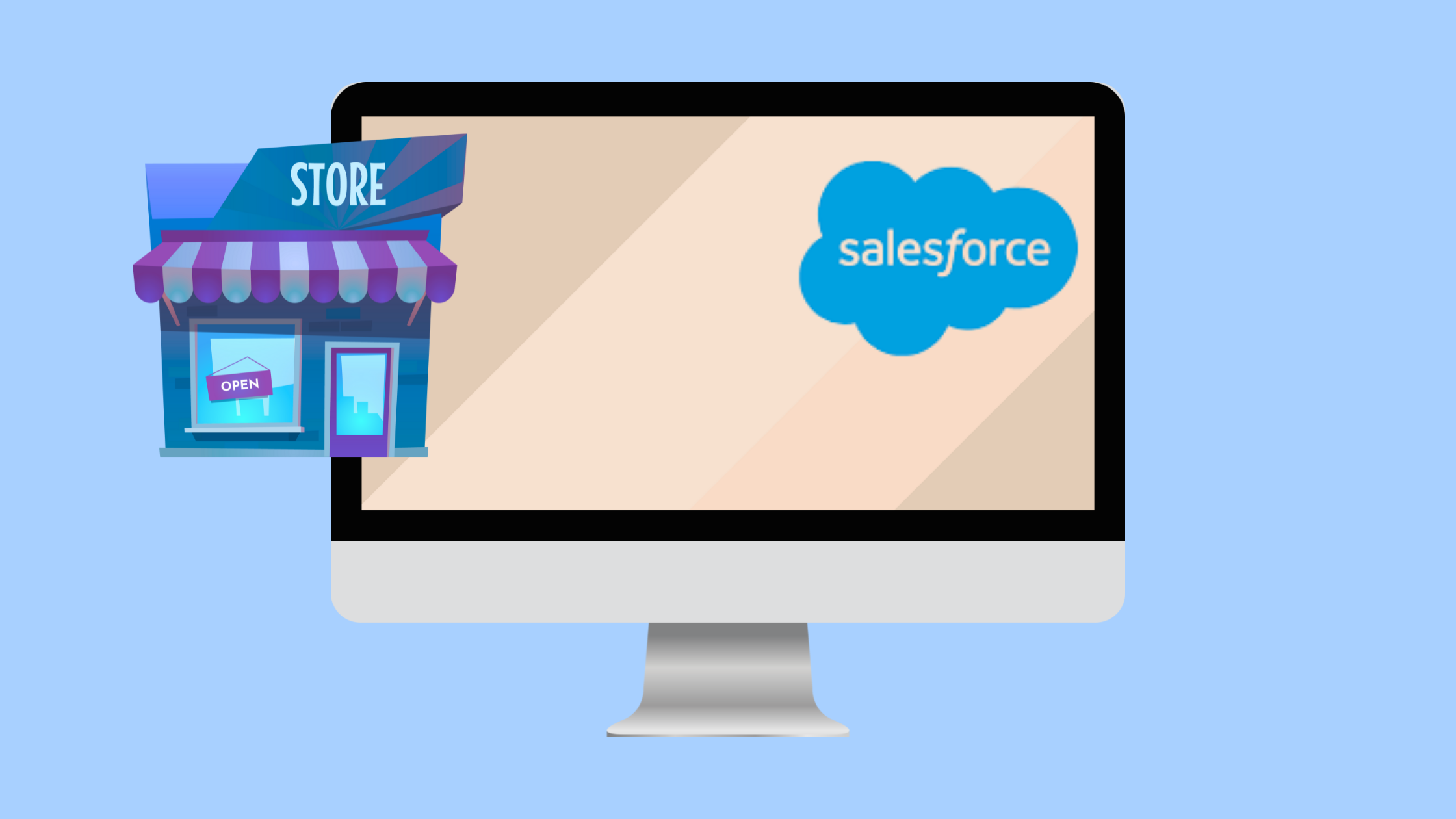
Picture your retail store divided into two parts: a showroom where customers browse products and a warehouse that handles inventory and order processing. This setup mirrors how a headless storefront works in the digital world.
A headless storefront is an ecommerce architecture that separates the front-end presentation layer from the back-end systems. The front-end shows what customers see and interact with. The back-end manages core business operations like inventory, pricing, and checkout. These two layers talk to each other through APIs (Application Programming Interfaces), which lets them work independently.
How it is different from traditional ecommerce
Traditional ecommerce platforms work as monolithic, all-in-one systems. The front-end and back-end are tied together. You might want to update your website's look, but that means changing the back-end code too. Think of it like renovating your kitchen but having to rebuild your home's foundation.
Here's what makes headless commerce stand out:
- Customization freedom: Developers can build custom front-end experiences with their preferred framework or language.
- Update independence: Front-end changes don't affect back-end operations and vice versa.
- Technology flexibility: Businesses can pick the best solutions for different parts of their commerce platform instead of staying with one vendor.
Traditional platforms can limit creative options for complex brands and multi-brand businesses. Small businesses find them great for quick launches, but these platforms become restrictive as companies grow.
Why it's gaining popularity in 2025
Headless commerce has taken off in 2025 for good reasons. Customer expectations have changed. Shoppers need smooth experiences on websites, mobile apps, social media platforms, and in-store kiosks.
Speed makes a huge difference. Studies show 40% of consumers leave a site that loads longer than three seconds. Headless architecture speeds things up. A single second improvement in loading time can add thousands to daily revenue.
Business agility drives adoption too. Companies can launch new front-end experiences quickly. The back-end stays untouched. This matters because only 5% of organizations can make changes within minutes. The rest wait days or longer. Companies with headless architecture handle growth better than those using traditional platforms. This appeals to businesses expecting growth or dealing with traffic spikes.
How Salesforce supports headless commerce
Salesforce has made significant investments to build reliable support for headless commerce across its platforms. Modern businesses look for flexibility and better performance through headless architecture. The company responds with powerful tools and APIs that make implementation both simple and customizable.
Salesforce B2C: SCAPI and Composable Storefront
Salesforce's B2C commerce offers a complete suite of tools built around two core technologies: Salesforce Commerce API (SCAPI) and Composable Storefront.
SCAPI forms the backbone of Salesforce's headless B2C commerce with its collection of RESTful APIs that connect with B2C commerce instances. The API functionality splits into two main groups:
- Shopper APIs: These handle customer-facing functions like product browsing, shopping cart management, and checkout processes. They remain mostly read-only, except for baskets and orders.
- Admin APIs: These manage merchant-facing functionality including product management, order processing, inventory tracking, and customer data. Admin APIs support both read and write operations, unlike Shopper APIs.
Salesforce's Composable Storefront goes beyond API access. This solution helps businesses implement headless commerce without starting from scratch. Retailers can "go headless" faster with this digital commerce solution that has two main components:
- PWA Kit: A framework that builds storefronts as React-based progressive web applications. It includes a customizable storefront starter called the Retail React App.
- Managed Runtime (MRT): A serverless hosting environment that provides infrastructure to deploy, host, and manage your PWA frontend. It enables impressive 60-second deployments.
Salesforce B2B: Connect REST API
Salesforce's B2B approach differs through its Connect REST API. Developers can programmatically access, create, update, and delete B2B commerce data across multiple areas with this powerful interface.
B2B Commerce APIs provide extensive support for vital commerce tasks. These include address management, cart operations, checkout processing, order management, product handling, pricing, promotions, tax calculations, and wishlist management.
The Connect REST API enables integration between Salesforce Commerce Cloud B2B and any modern frontend framework.
Types of headless architecture in Salesforce Commerce Cloud
Businesses implementing a headless storefront with Salesforce Commerce Cloud must choose between several architectural approaches. Each headless implementation has its unique characteristics. The right choice depends on a company's specific requirements.
Traditional vs. Hybrid vs. Fully Headless
Salesforce Commerce Cloud supports three main architectural models that show different levels of "headlessness":
Traditional Commerce is the basic setup without any headless components. The front-end and back-end stay connected within Salesforce's ecosystem. This out-of-the-box solution manages everything from data to visualization through Experience Cloud templates and standard components.
Hybrid Headless strikes a balance by combining traditional and headless elements. Companies can use pre-built features for complex parts while building headless architecture for specific areas. A business might keep its checkout and cart running on standard B2C Commerce and build product display pages as headless components.
Fully Headless completely separates front-end from back-end systems. The customer-facing experience is custom-built using preferred technologies that connect to Salesforce Commerce Cloud through APIs. This gives companies complete control over user experience across all touchpoints.
The right model for your business
Your choice of architecture depends on several key factors:
Traditional suits companies that want quick setup times and have limited development resources. This works best for straightforward commerce needs where standard templates are enough.
Hybrid works best for companies that want to move to headless step by step or those that need flexibility in specific areas. This approach helps minimize risk while getting headless benefits where they matter most. A Commerce Cloud architect puts it well: "Many touchpoints can mix traditional SFRA implementation with headless implementations for mobile apps, smartwatches, or vehicle integrations."
Fully Headless fits organizations with strong development teams that want complete flexibility and control. Companies with complex omnichannel needs or custom user experiences benefit most from this approach.
Pros and cons of Salesforce headless commerce
The choice to adopt headless commerce for your Salesforce implementation depends on several key factors. Businesses need to understand both sides of the equation to make smart decisions.
Advantages: Flexibility, Speed, Omnichannel
Salesforce headless commerce shines with its exceptional flexibility. Businesses have complete creative control over their storefronts without rigid template restrictions. This freedom lets brands create unique, engaging customer experiences that showcase their identity across all channels.
Speed emerges as a crucial benefit. Teams can make changes faster without disrupting backend operations when they use headless architecture. This advantage matters because only 5% of organizations can implement changes within minutes, while most wait days or longer. Development teams work independently on different areas at once, which speeds up new feature deployment.
Omnichannel capability proves vital in today's market. Businesses can deliver consistent experiences to customers who shop through websites, mobile apps, social media, or smart devices. This smooth experience builds customer loyalty and boosts conversion rates.
Challenges: Complexity, Cost, Developer Dependency
The benefits of Salesforce headless commerce come with notable challenges. Technical complexity stands out—splitting front-end from back-end creates new coordination needs and technical hurdles. Many businesses feel overwhelmed without expert guidance.
Cost plays a major role in the decision. The original development costs for headless commerce run substantially higher than traditional approaches. Maintenance expenses typically run 30-50% more than conventional platforms.
Developer dependency creates real challenges. Headless commerce needs skilled developers who know Salesforce-specific logic and modern front-end frameworks. Finding and keeping this specialized expertise often proves difficult. A phased implementation offers the most practical path forward for businesses that want this approach.
Conclusion
Our look at headless commerce shows how separating front-end experiences from back-end systems creates amazing possibilities for businesses using Salesforce Commerce Cloud. This approach has revolutionized online store operations. Brands now have complete freedom to create unique customer experiences while their back-end stays robust and functional.
Headless storefronts bring compelling advantages to the table. They excel at creating tailored experiences across multiple channels.
La Confianza specializes in helping businesses make these crucial decisions as a dedicated Salesforce consultancy. Our team brings extensive Salesforce implementation experience, including headless commerce solutions for both B2C and B2B environments. Reach out today to start your journey toward a more flexible, powerful ecommerce experience.